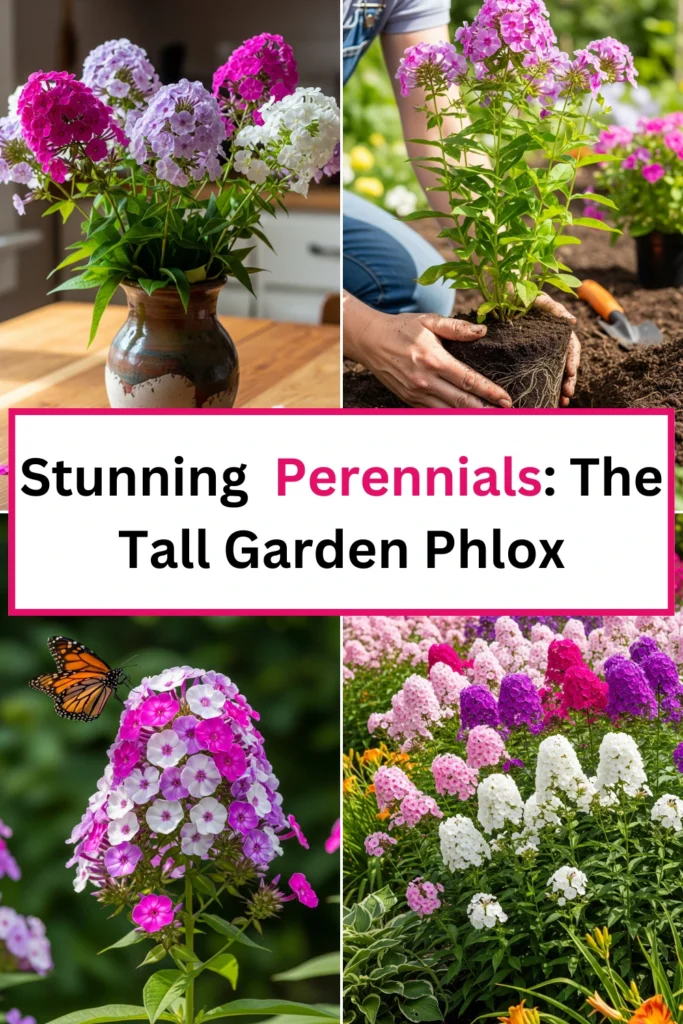
Tall Garden Phlox (Phlox paniculata) is one of the most beloved perennial flowers in North American gardens. With its vibrant blooms, delightful fragrance, and long flowering season, this plant adds a bold splash of color and a soft cottage charm to any landscape.
What Is Tall Garden Phlox?
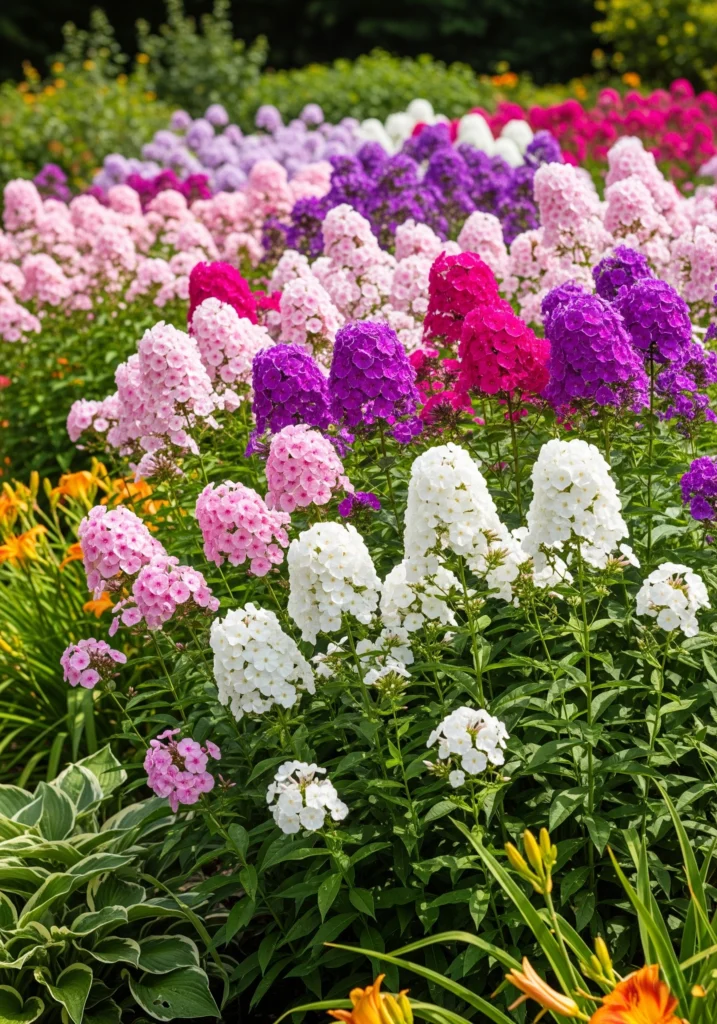
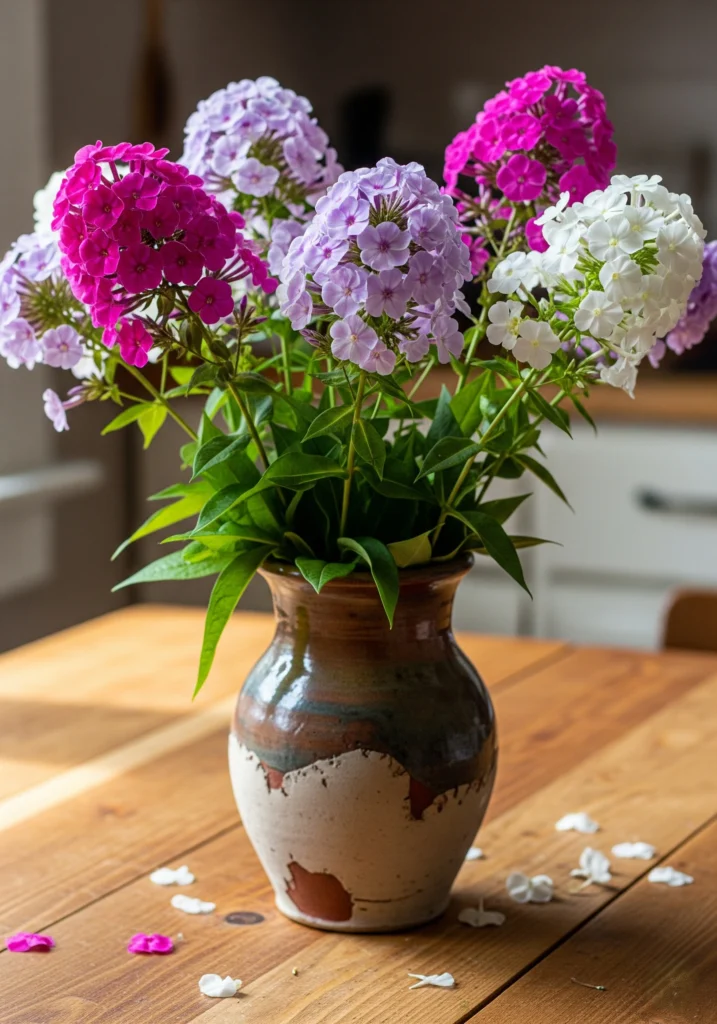
Tall Garden Phlox is a herbaceous perennial native to the eastern United States. It typically grows between 3 to 5 feet tall, featuring upright stems and large clusters of fragrant flowers in shades of pink, purple, white, red, and even bi-color varieties.
Varieties of Tall Garden Phlox
There are dozens of cultivars available, offering a range of colors, heights, and disease resistance. Here are some popular choices:
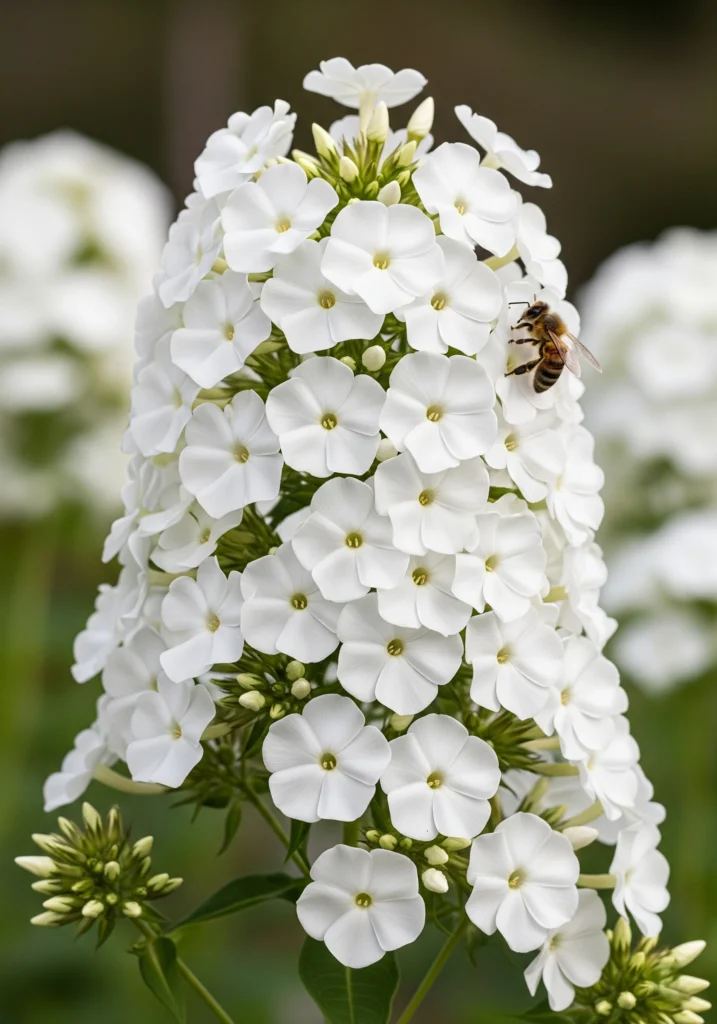
1. David
- Pure white blooms
- Excellent mildew resistance
- 3-4 feet tall
2. Bright Eyes
- Light pink with dark pink eyes
- Very fragrant
- Great for cottage gardens
3. Nicky
- Deep magenta-purple
- Bold color for borders
- Up to 4 feet tall
4. Jeana
- Lavender-pink blooms
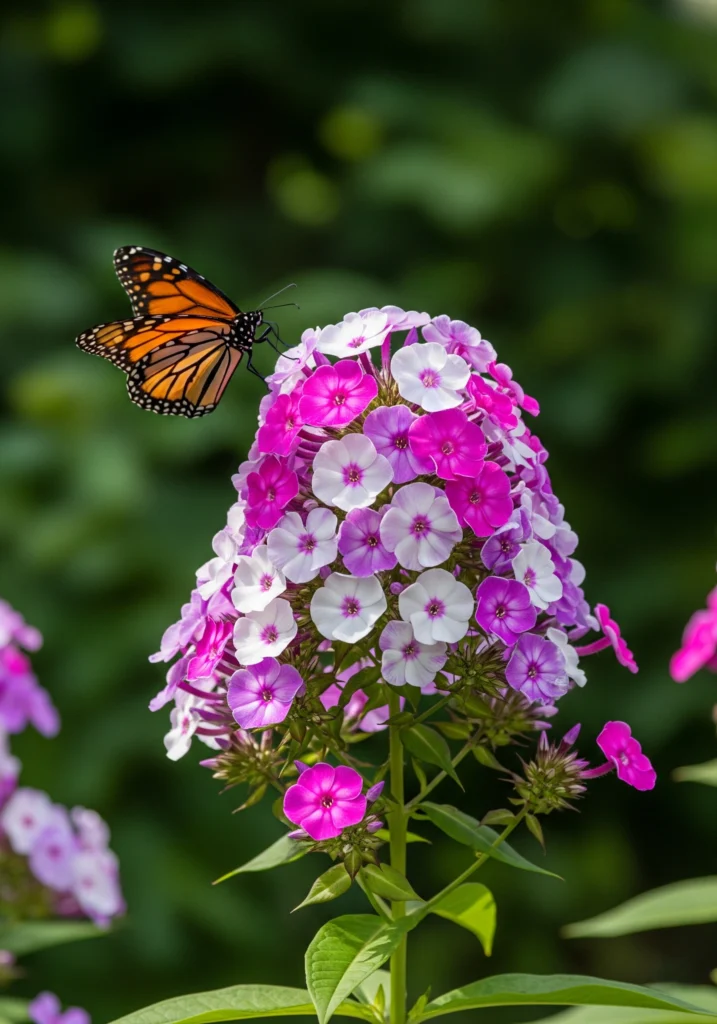
- Exceptionally attractive to butterflies
- Known for disease resistance
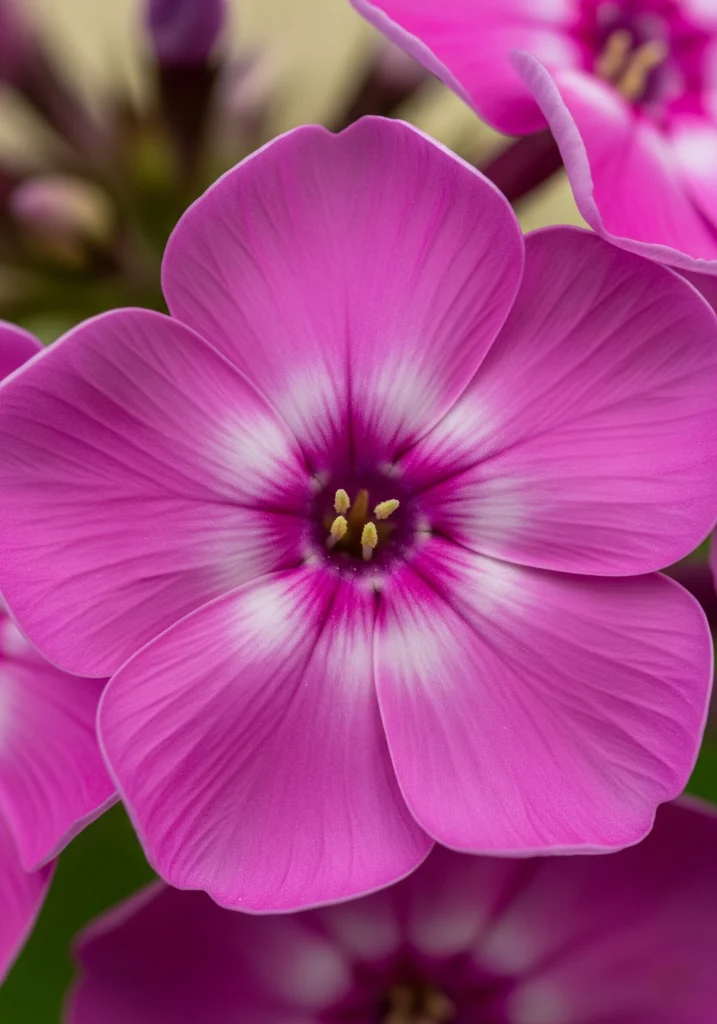
5. Laura
- Violet-purple with white centers
- Great contrast and bloom density
How to Grow Tall Garden Phlox
Getting started with Tall Garden Phlox is simple, just follow these best practices.
Light Requirements
Tall Garden Phlox thrives in full sun but can tolerate light afternoon shade, especially in hotter climates. For best flowering, aim for at least 6 hours of direct sunlight daily.
Soil Conditions
- Prefers rich, well-draining soil
- Add compost to improve fertility and drainage
- Slightly acidic to neutral pH (6.0–7.0)
Watering Needs
- Keep soil evenly moist, especially during dry spells
- Avoid overhead watering to prevent mildew
- Mulch to retain soil moisture
When to Plant:
- Spring or early fall is ideal
- In spring, wait until danger of frost has passed
- In fall, plant at least 4-6 weeks before the ground freezes
How to Plant:
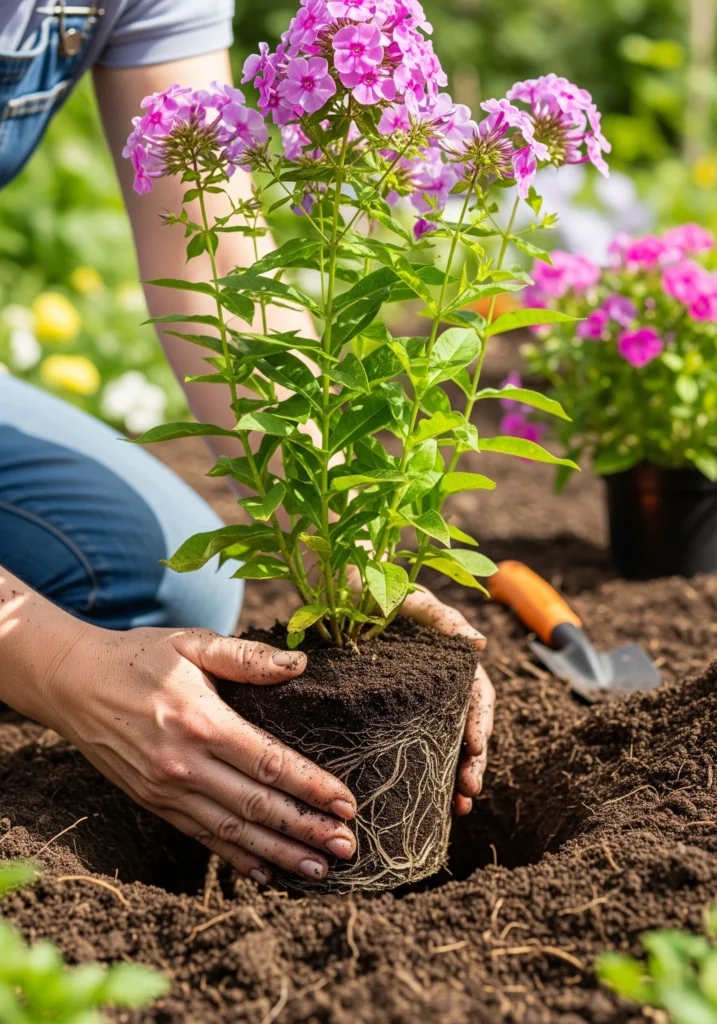
- Dig a hole twice the width of the root ball
- Mix in compost or organic matter
- Space plants 18–24 inches apart
- Water thoroughly after planting
- Add mulch to suppress weeds and retain moisture
Caring for Tall Garden Phlox
Once established, Tall Garden Phlox is fairly low-maintenance, but a little care goes a long way.
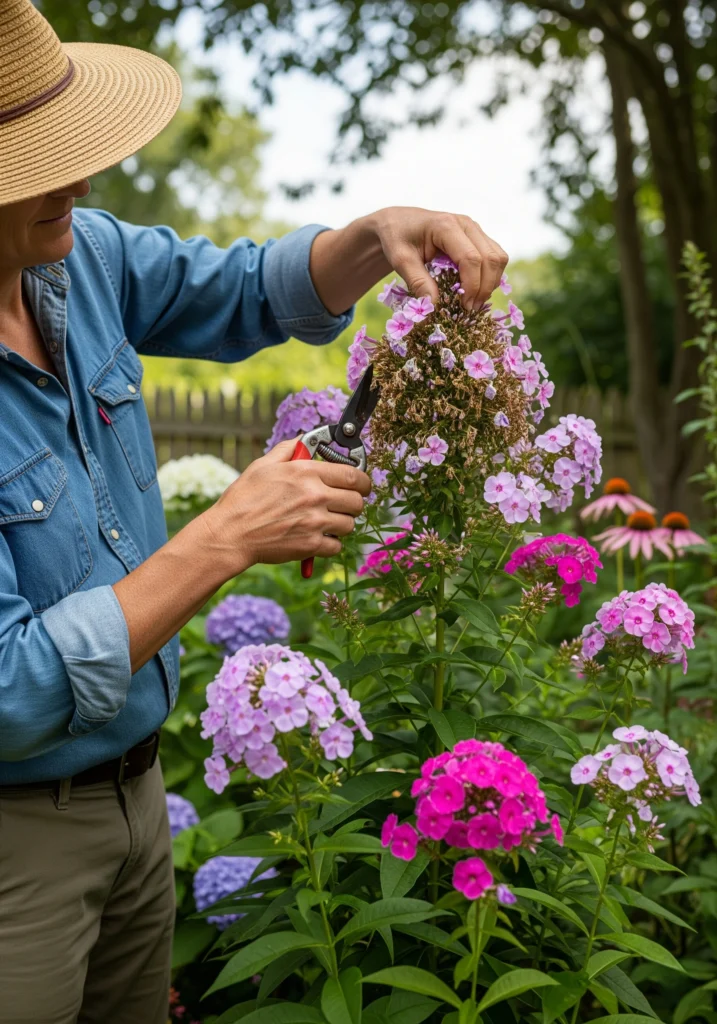
Deadheading
Regularly remove spent blooms to:
- Extend the flowering period
- Encourage repeat blooming
- Prevent self-seeding (unless desired)
Fertilizing
- Apply a balanced 10-10-10 fertilizer in spring
- Avoid excessive nitrogen, which can lead to more foliage than flowers
Pruning
- Cut back to the base after the first frost
- Divide every 3–5 years to rejuvenate plants and improve airflow
Pests and Diseases
Common Problems:
- Powdery Mildew: White, powdery coating on leaves
→ Prevent with good air circulation, watering at soil level - Spider Mites & Aphids: Sap-sucking pests
→ Spray with neem oil or insecticidal soap
Disease-Resistant Varieties:
Choose cultivars like ‘David’, ‘Jeana’, or ‘Shortwood’ to minimize disease issues.
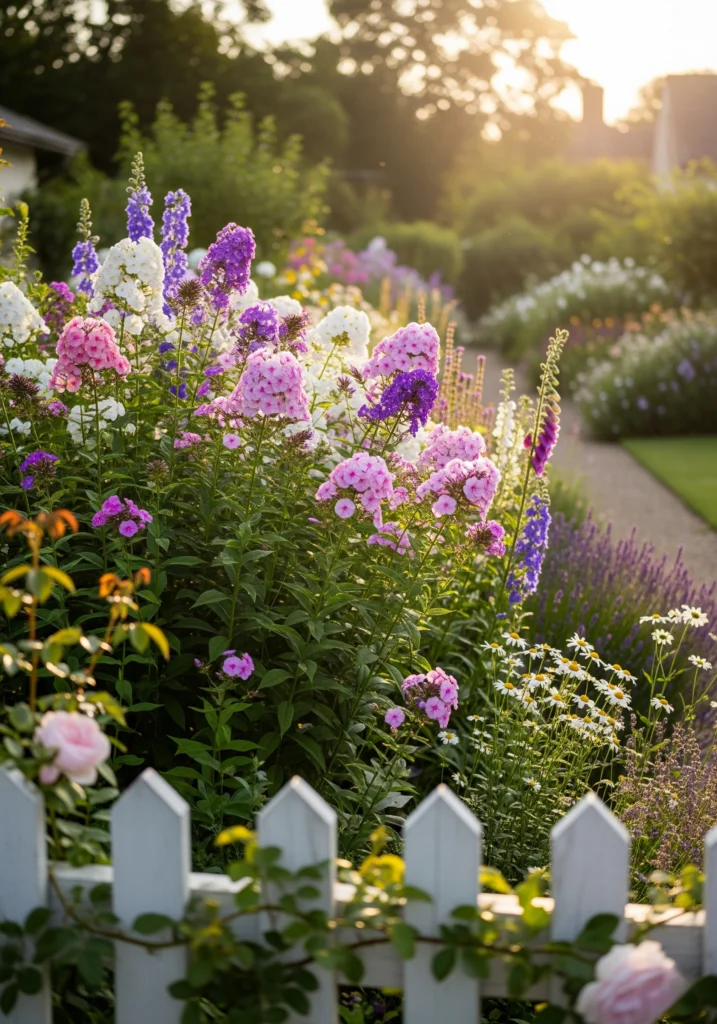
These plants not only complement Phlox visually but also share similar growing requirements.
FAQs About Tall Garden Phlox
1. Does Tall Garden Phlox rebloom?
Yes! If you deadhead regularly, many varieties will rebloom later in the season.
2. Can I grow Tall Garden Phlox from seed?
Yes, but most gardeners prefer buying young plants or divisions for faster blooms.
3. When should I divide Tall Garden Phlox?
Every 3–5 years, in early spring or fall, to keep plants vigorous and prevent overcrowding.
Why Every Garden Needs Tall Garden Phlox
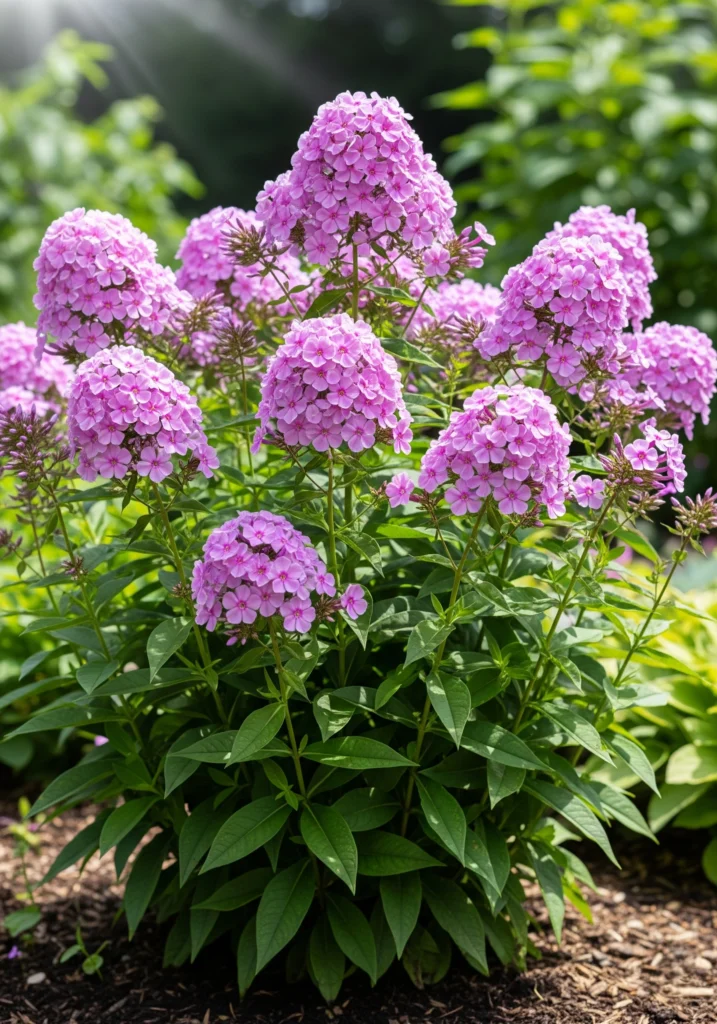
Tall Garden Phlox is the epitome of summer garden beauty a bold, fragrant, and reliable bloomer that brightens up any space. Whether you’re a beginner gardener or a seasoned green thumb, these perennials are rewarding, easy to grow, and bring unmatched charm to the garden from midsummer through fall.
So, if you’re planning your next flower bed or looking to refresh your garden layout, don’t overlook Tall Garden Phlox, it might just become your new favorite.