If you’ve ever stared into your fridge wondering what to cook for dinner, you’re not alone. Meal planning is one of the simplest ways to reduce stress, save money, and eat healthier—but many beginners find it overwhelming at first. The good news? With a little guidance, anyone can learn how to meal plan successfully.

Why Meal Planning Matters
Before we dive into the steps, let’s highlight why meal planning is worth it:
- Saves money → By shopping with a list, you avoid impulse buys and wasted food.
- Saves time → No more last-minute takeout or scrambling at 7 p.m.
- Reduces stress → You’ll know what’s on the menu for the week.
- Improves nutrition → Planning helps you include balanced, wholesome meals.
- Cuts down food waste → You’ll only buy what you actually need.
Now let’s move on to the beginner-friendly tips.
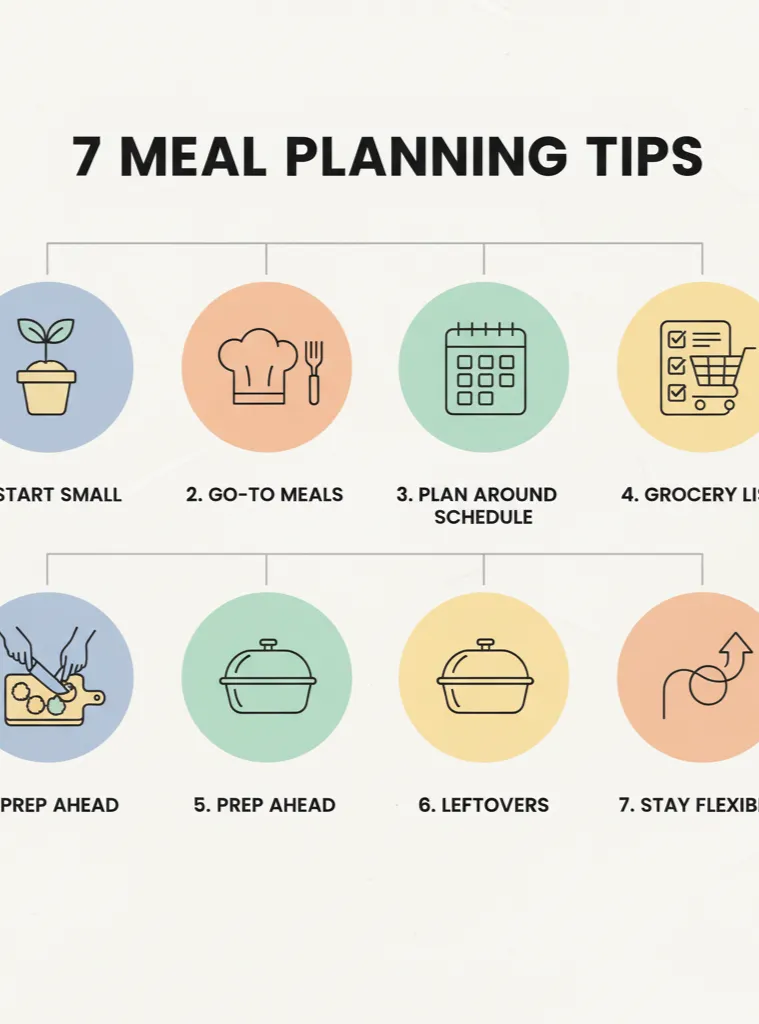
1. Start Small with One or Two Meals
One of the biggest mistakes beginners make is trying to plan breakfast, lunch, dinner, and snacks for an entire week all at once. That’s too much and often leads to burnout.
Instead, start small:
- Choose just dinners for the week.
- Or plan 3–4 meals and rotate leftovers.
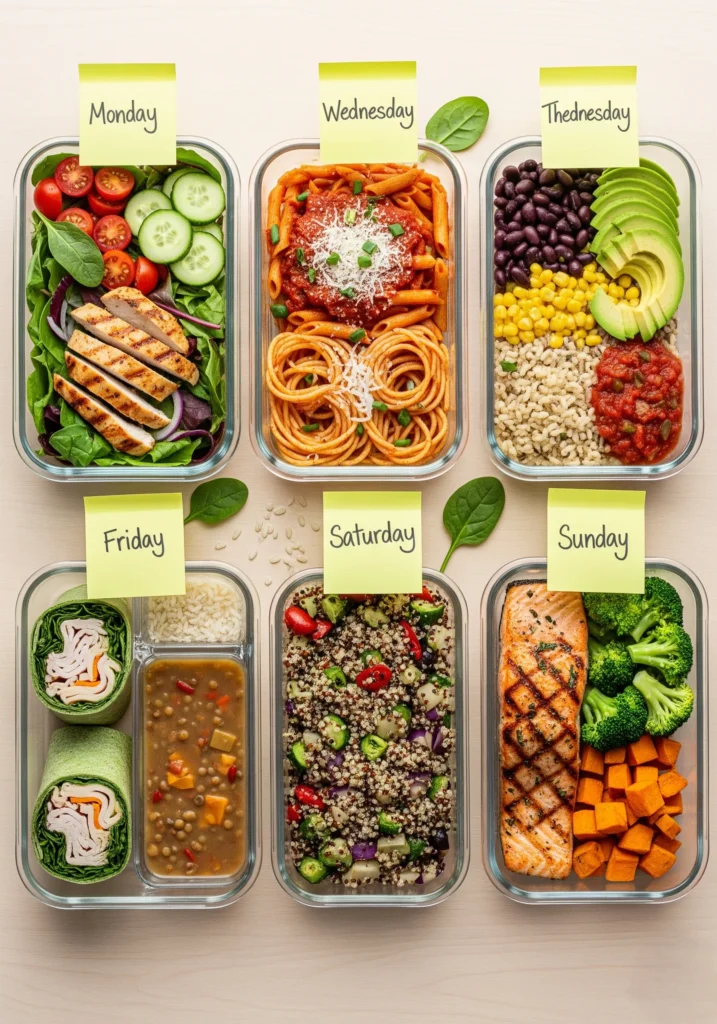
Example: Plan spaghetti on Monday, a stir-fry on Wednesday, and tacos on Friday. Fill in the gaps with leftovers, sandwiches, or quick snacks.
2. Create a Go-To List of Easy Meals
When you’re new to meal planning, it helps to have a short list of reliable, budget-friendly meals you enjoy and know how to make.
Some beginner-friendly options:
- Pasta with marinara sauce
- Veggie stir-fry with rice
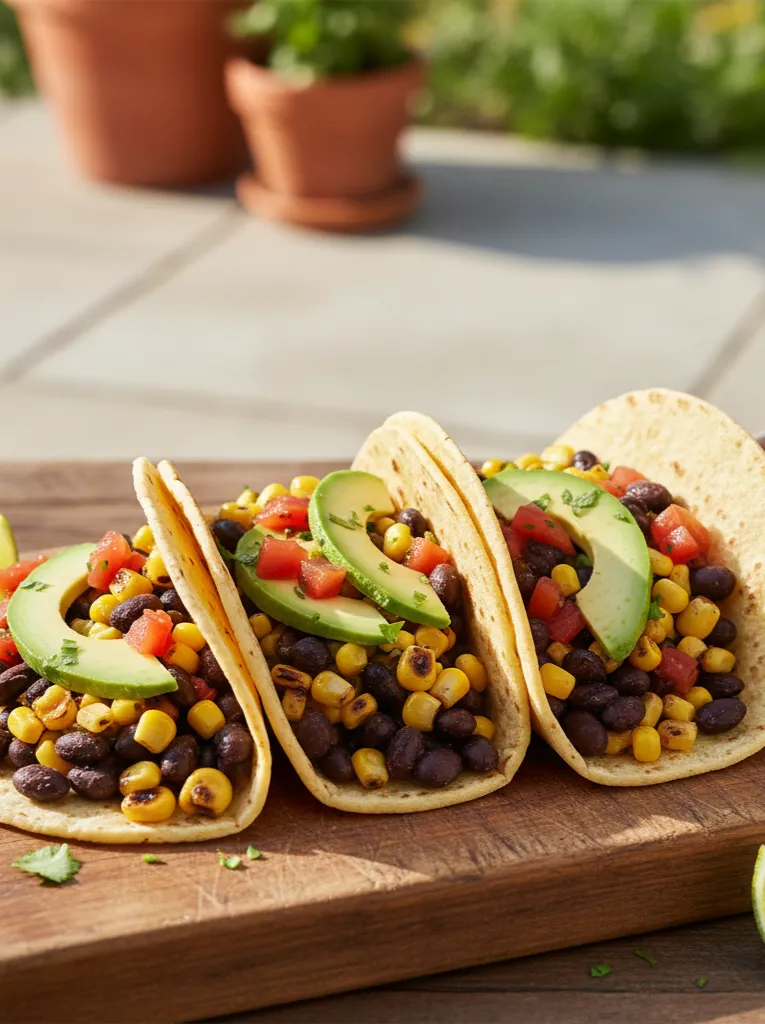
- Tacos with beans or chicken
- Sheet-pan roasted vegetables and protein
- Omelets or breakfast-for-dinner
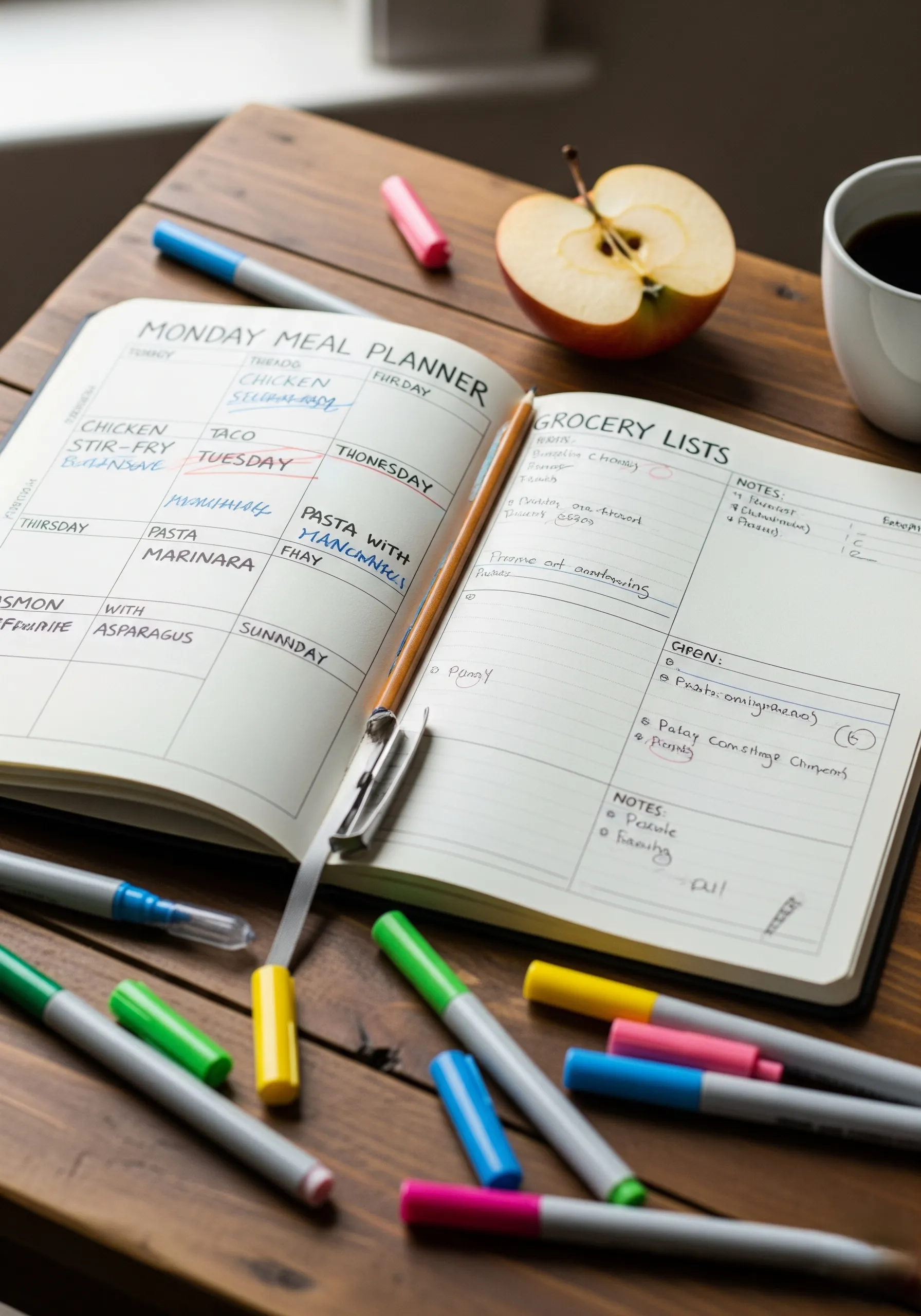
Write down your top 10 easy meals and keep them in rotation. This prevents decision fatigue and makes planning faster each week.
3. Plan Around Your Schedule
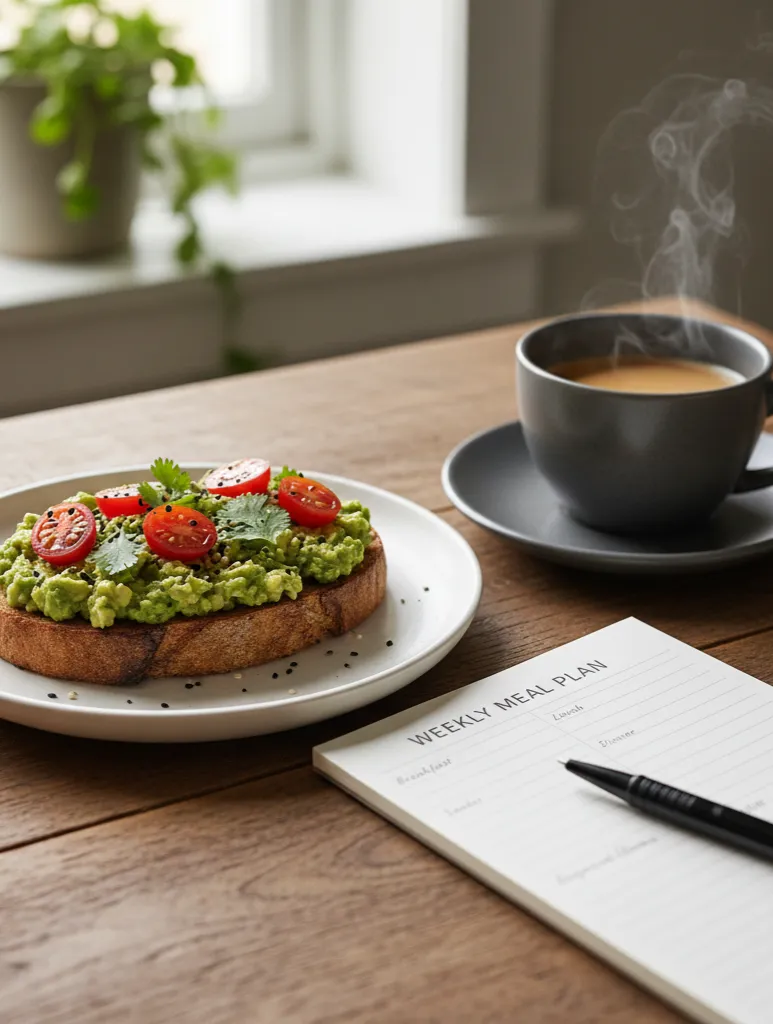
Your meal plan should reflect your lifestyle, not fight against it. Look at your weekly schedule before planning meals:
- Busy nights? Choose simple recipes like crockpot chili or wraps.
- More free time? Try a new recipe or prep a freezer meal.
- Weekend? Cook larger meals that create leftovers for weekdays.
Pro Tip: Don’t schedule complicated recipes on days when you’re already busy it only adds stress.
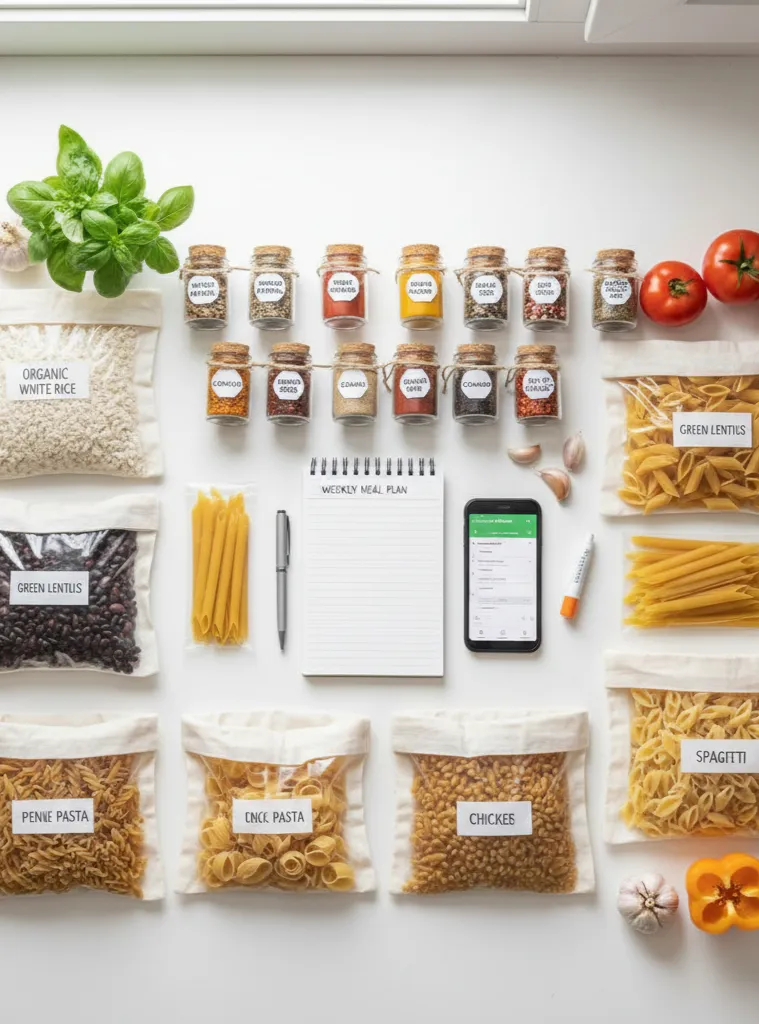
4. Make a Master Grocery List
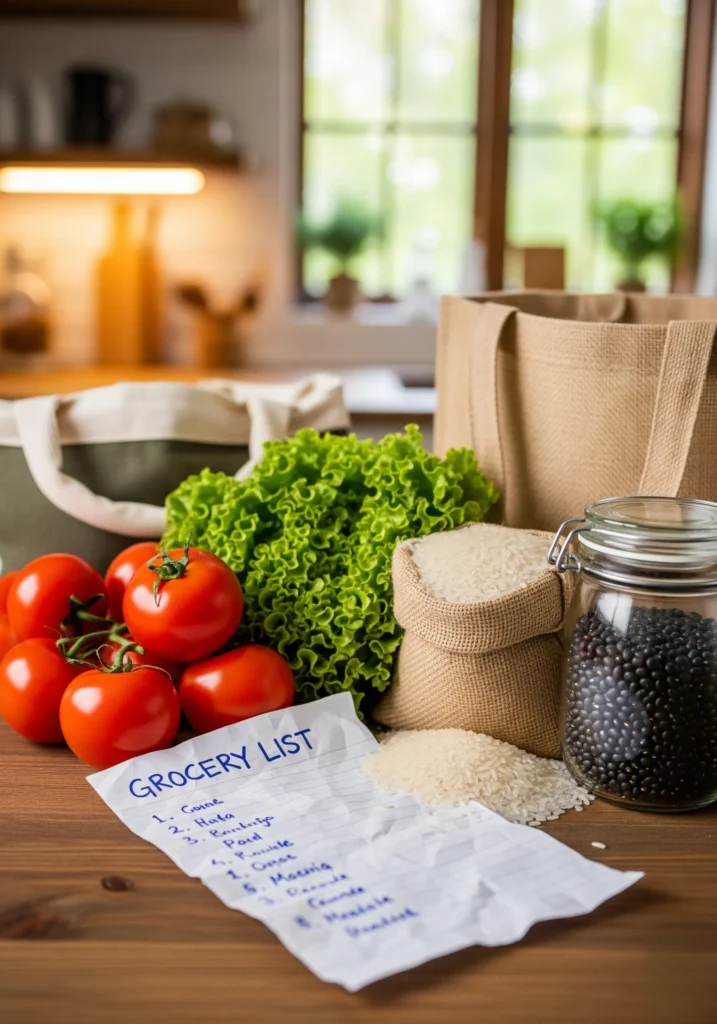
Meal planning and grocery shopping go hand in hand. A well-organized shopping list saves both money and time at the store.
Steps to build your list:
- Write down ingredients for each planned meal.
- Check your pantry for items you already have.
- Group items by category (produce, dairy, pantry, frozen).
Budget Tip: Stick to your list! Impulse buys are the biggest meal planning budget killers.
Over time, you’ll notice many recipes use the same staples (like onions, garlic, rice, beans). This makes shopping easier and more affordable.
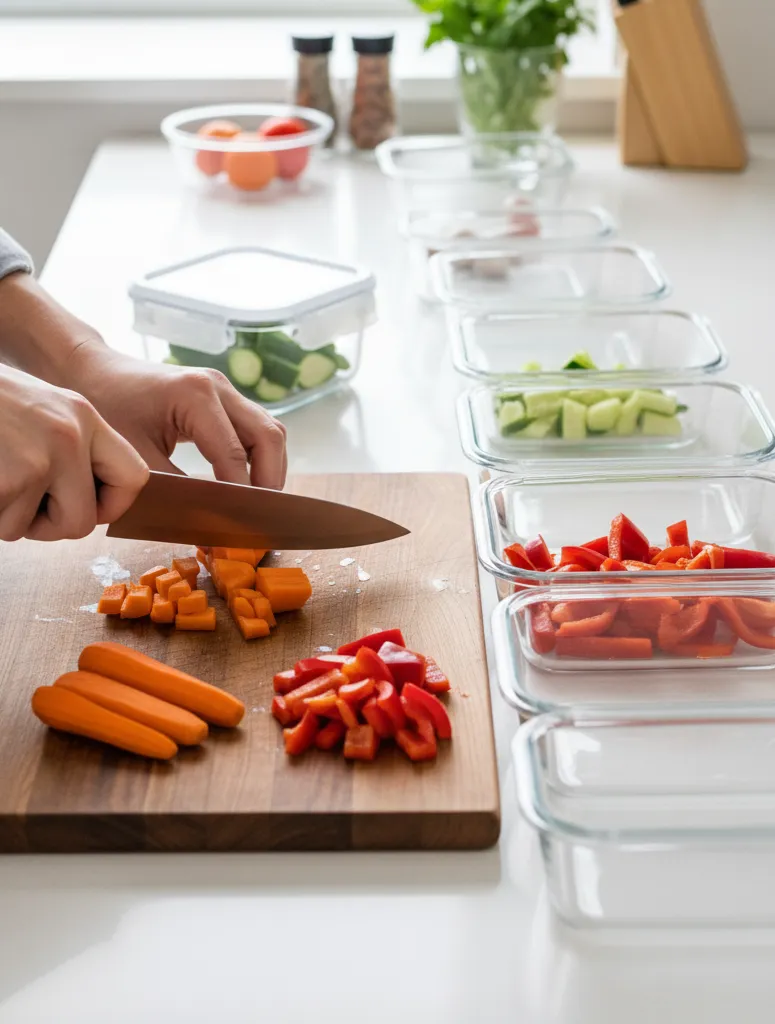
5. Prep in Advance When Possible
Meal prep doesn’t mean spending all day Sunday cooking, but a little preparation goes a long way for beginners.
Easy ways to prep ahead:
- Chop veggies for the week.
- Cook a big batch of rice, quinoa, or pasta.
- Marinate proteins overnight.
- Portion out snacks like nuts or fruit.
Even 20–30 minutes of prep can save you hours during the week.
6. Use Leftovers Wisely
Leftovers are a beginner’s best friend! Instead of cooking from scratch every night, plan meals that intentionally create extras.
Example ideas:
- Roast a large chicken → eat with veggies one night, shred for tacos the next.
- Cook a pot of chili → serve with bread one night, use on baked potatoes the next.
- Make extra rice → use it for stir-fry later in the week.
This “cook once, eat twice” approach makes meal planning more efficient and less overwhelming.

7. Stay Flexible and Don’t Overcomplicate It
Meal planning isn’t about rigid rules—it’s about making your life easier. Beginners often think they need to plan every detail perfectly, but flexibility is key.
- Swap meals around if your week changes.
- Keep backups like frozen veggies, canned beans, or pasta for emergencies.
- Allow space for fun like takeout, eating out, or spontaneous cravings.
Remember: the goal is progress, not perfection. Even planning 3 dinners a week is a win compared to none.
Bonus Tips for Beginners
Keep It Simple
You don’t need fancy recipes. Stick to affordable, familiar ingredients and basic cooking methods.
Use Meal Planning Apps or Templates
Apps like Mealime, Plan to Eat, or even Google Sheets can help organize recipes and shopping lists.
Batch Cook
Double recipes and freeze half for later. Perfect for soups, curries, or casseroles.
Shop Seasonally
Fruits and vegetables are cheaper (and tastier) when in season.
Don’t Compare Yourself
Your meal plan won’t look like a food blogger’s, and that’s okay. Focus on what works for you.
Common Beginner Mistakes to Avoid
- Planning too many complicated meals.
- Forgetting to check what’s already in the pantry.
- Ignoring portion sizes and ending up with too much food waste.
- Skipping leftovers and overcooking.
- Being too rigid instead of flexible.
Sample Beginner Meal Plan (3 Days)
Day 1
- Breakfast: Overnight oats with banana
- Lunch: Veggie wrap with hummus
- Dinner: Spaghetti with marinara + side salad

Day 2
- Breakfast: Smoothie with oats and peanut butter
- Lunch: Chickpea salad
- Dinner: Stir-fry with tofu and rice
Day 3
- Breakfast: Avocado toast
- Lunch: Leftover stir-fry
- Dinner: Tacos with beans, corn, and salsa
This is proof that a meal plan doesn’t need to be complicated—it just needs to be intentional.
How Meal Planning Saves Money
For beginners on a budget, meal planning can make a huge difference:
- Cuts down last-minute takeout.
- Helps use up what you already bought.
- Encourages bulk cooking with affordable staples.
- Reduces food waste (and wasted dollars).
On average, people who meal plan save $1,200–$1,500 a year on food costs.

Final Thoughts
Meal planning doesn’t have to feel intimidating. By starting small, creating a go-to list of meals, planning around your schedule, and prepping ahead, you’ll quickly see how much easier cooking can be.
These easy meal planning tips for total beginners will help you save time, reduce stress, and eat better without overcomplicating your life. Remember, the goal isn’t perfection it’s creating a routine that works for you.
So grab a pen, make your first simple plan, and enjoy the peace of mind that comes with knowing what’s for dinner this week!