In today’s fast-paced world, it’s easy to feel overwhelmed. Stress, anxiety, and unexpected situations can send your mind into overdrive. While it’s normal to experience these feelings, learning how to calm yourself down instantly is an essential life skill. Whether you’re preparing for an exam, facing a stressful work meeting, or simply feeling anxious at home, these essential calming techniques will help restore peace and balance.
Why It’s Important to Calm Yourself Quickly
When stress hits, your body releases cortisol and adrenaline, leading to a racing heart, sweaty palms, and restless thoughts. While these reactions are part of your body’s natural fight-or-flight response, they can leave you feeling drained and unfocused if prolonged. By using effective instant calming techniques, you can:
- Lower your stress levels
- Improve focus and clarity
- Manage anxiety naturally
- Feel more in control of your emotions
- Create healthier coping habits
Now, let’s dive into the essential ways to calm yourself down instantly.
1. Practice Deep Breathing
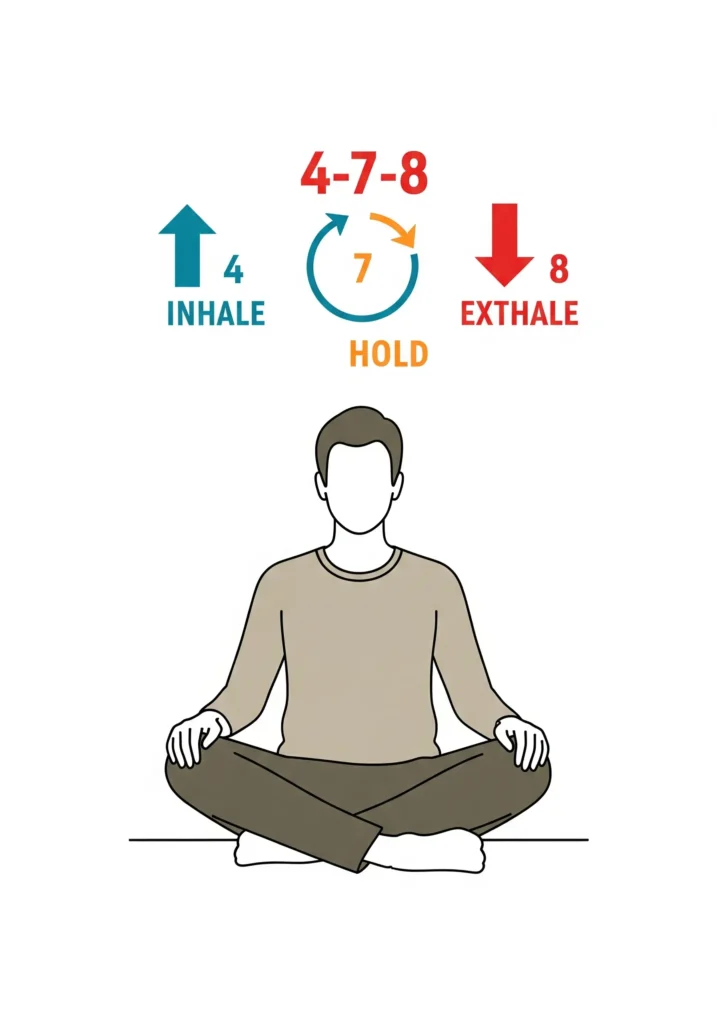
One of the quickest and most effective ways to calm yourself down is through deep breathing exercises. Slow, mindful breathing sends a signal to your brain to relax and helps regulate your heart rate.
Try This Technique:
- Inhale deeply through your nose for 4 seconds.
- Hold your breath for 4 seconds.
- Exhale slowly through your mouth for 6–7 seconds.
- Repeat 4–5 times.
This method, often called the 4-7-8 breathing technique, is proven to lower stress and anxiety instantly.
2. Use Grounding Techniques
When you feel overwhelmed, grounding yourself in the present moment helps break the cycle of anxious thoughts.
The 5-4-3-2-1 Method:
- 5 things you can see
- 4 things you can touch
- 3 things you can hear
- 2 things you can smell
- 1 thing you can taste
This simple mental exercise shifts your focus away from stress and back into reality.
3. Drink a Glass of Water
It may sound simple, but hydration plays a huge role in your mental state. Dehydration can worsen stress, fatigue, and irritability. Drinking a glass of cold water gives your body a physical reset and can instantly calm your nerves.
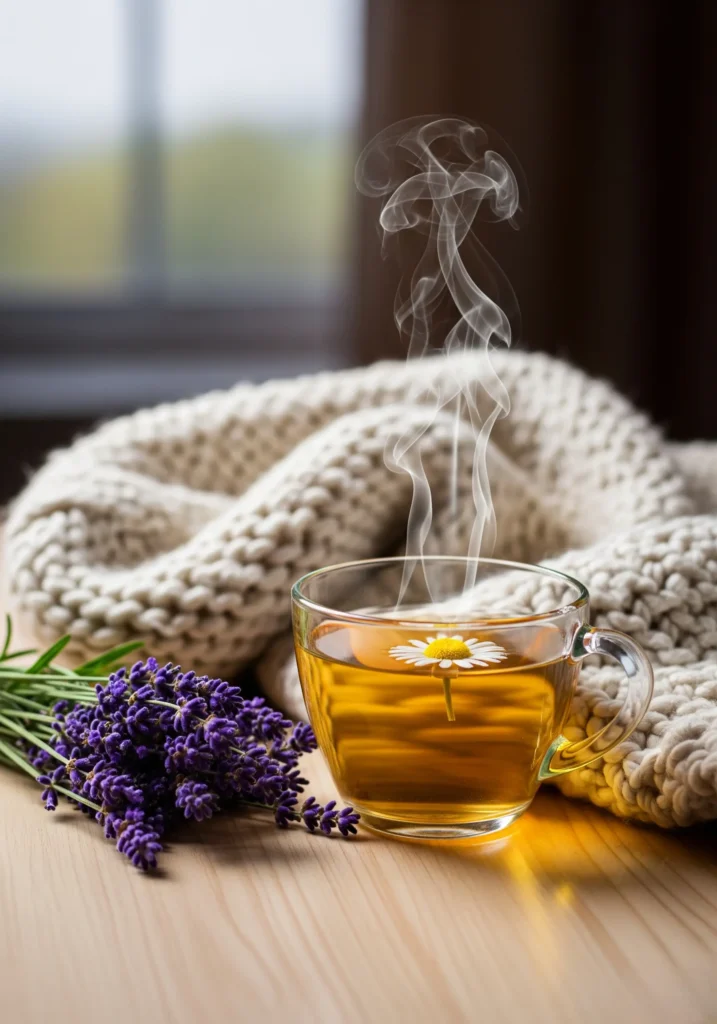
For an extra calming effect, try herbal teas like chamomile, lavender, or peppermint, known for their soothing properties.

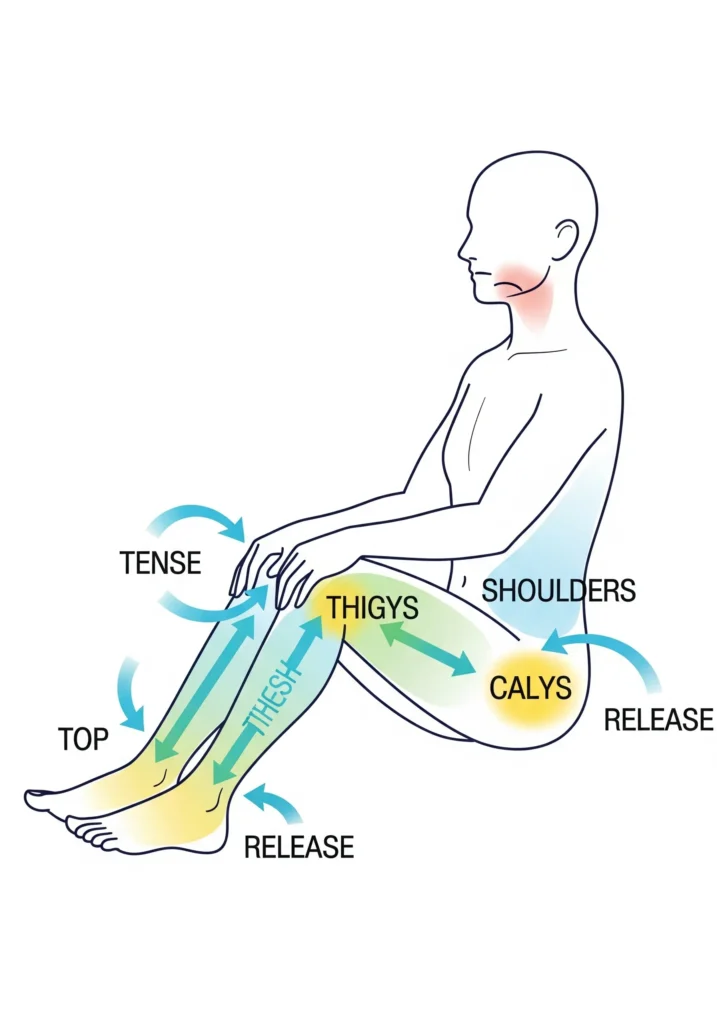
4. Try Progressive Muscle Relaxation
Stress often makes your muscles tense without you realizing it. Progressive muscle relaxation (PMR) helps you release this built-up tension.
How to Do It:
- Start by tensing your toes for 5 seconds, then release.
- Move upward: calves, thighs, abdomen, shoulders, and face.
- Focus on the difference between tension and relaxation.
This technique is particularly helpful if stress keeps you awake at night.
5. Listen to Calming Music
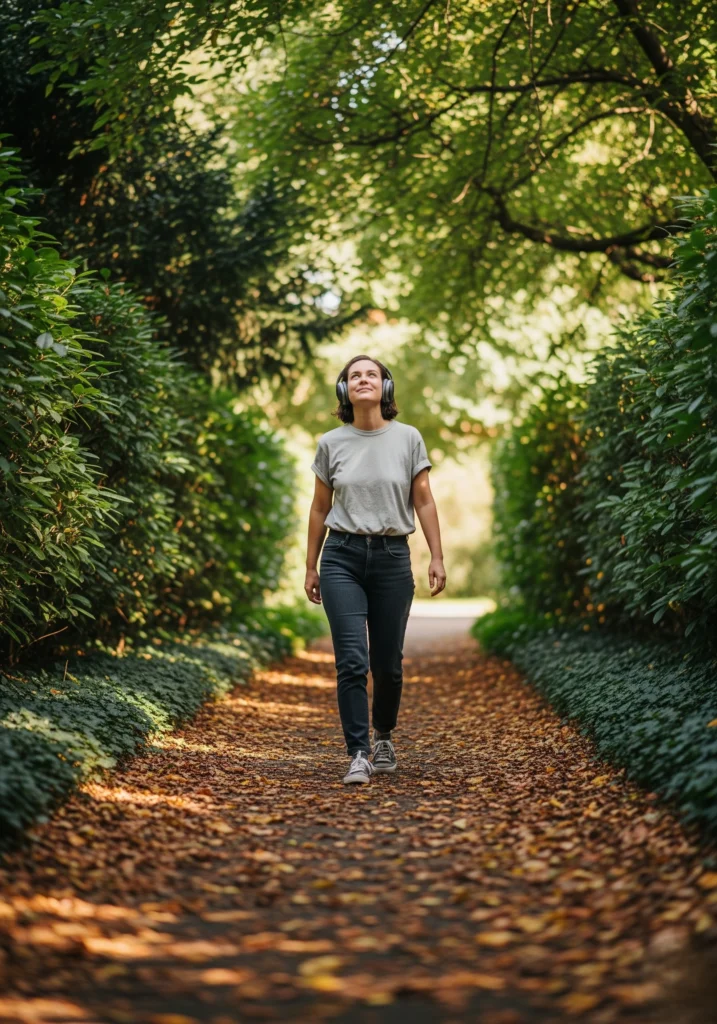
Music has a powerful effect on emotions. Studies show that listening to slow, instrumental, or nature-inspired sounds can instantly reduce anxiety and lower blood pressure.
Create a “calm down playlist” with soft piano, acoustic guitar, or even rain sounds. Plug in your headphones whenever stress strikes, and let music guide you back to calm.
6. Step Away from Technology
Constant notifications, social media comparisons, and endless news updates fuel stress and overstimulation. If you’re feeling anxious, the best thing you can do is take a digital break.
- Put your phone on silent.
- Step away from screens for at least 10–15 minutes.
- Spend that time stretching, breathing, or walking.
This small reset can clear your mind and help you regain focus.

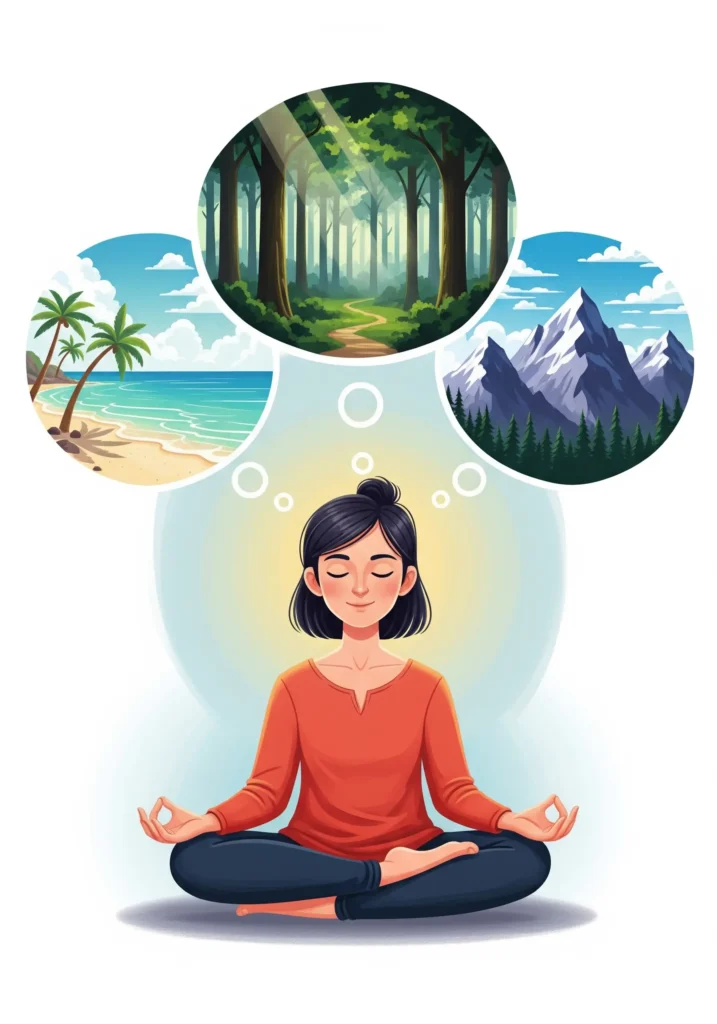
7. Use Visualization Techniques
Your mind is powerful—using visualization can shift you from stress to calm almost instantly.
Try This Visualization Exercise:
- Close your eyes.
- Imagine a peaceful place (beach, forest, or mountain).
- Picture every detail—the sounds, smells, and colors.
- Stay in that scene for a few minutes while breathing deeply.
This simple exercise tricks your brain into believing you are in a safe, calm environment.
8. Move Your Body
When anxiety spikes, physical movement helps release the built-up adrenaline in your system. You don’t need a full workout—just a few minutes of movement can reset your mood.
Ideas to try:
- Take a brisk walk outside.
- Do 10 jumping jacks.
- Stretch your arms, shoulders, and back.
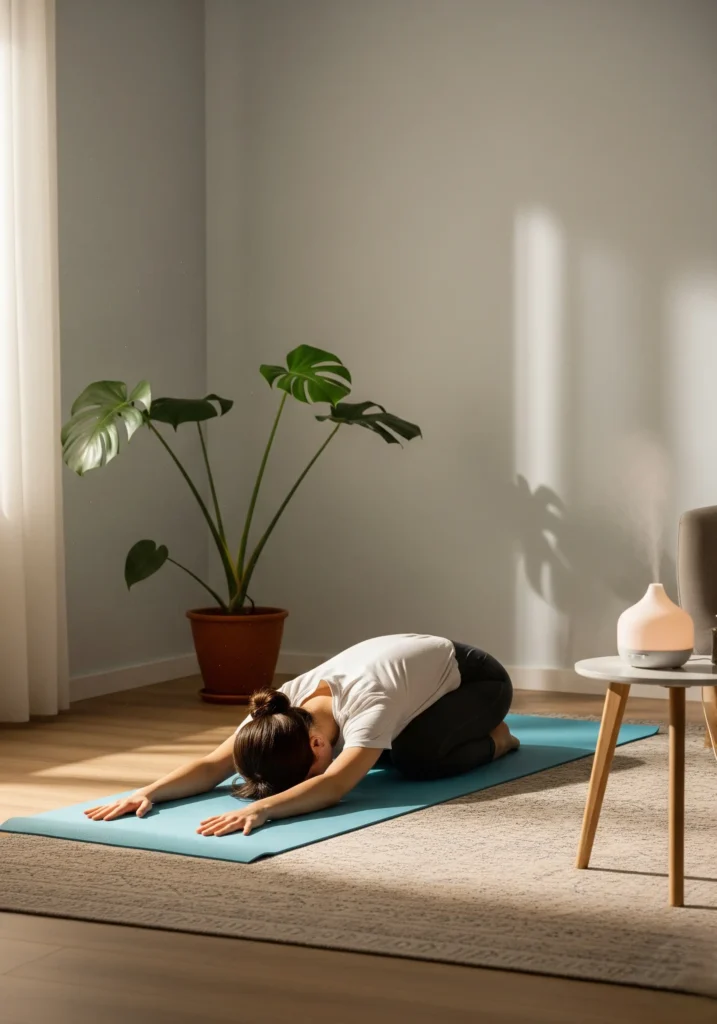
- Try yoga poses like child’s pose or forward fold.
Moving your body shifts focus away from your thoughts and brings energy back into balance.
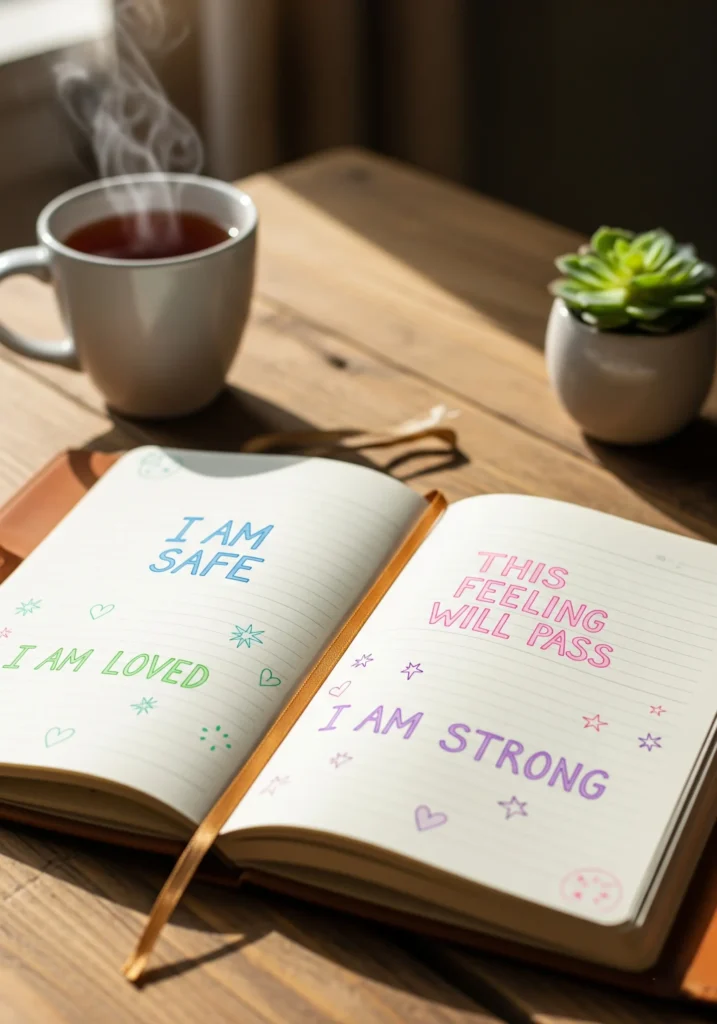
9. Practice Positive Self-Talk
Often, stress is amplified by negative inner dialogue. By practicing positive affirmations, you can replace anxious thoughts with calming ones.
Examples:
- “I am safe and in control.”
- “This feeling will pass.”
- “I can handle what comes my way.”
Say these affirmations out loud or write them in a journal whenever you need instant reassurance.
Bonus Tips for Staying Calm Long-Term
While the techniques above work instantly, it’s equally important to build long-term calming habits into your daily life. Here are a few:
- Get enough sleep to regulate stress hormones.
- Eat a balanced diet rich in whole foods.
- Practice mindfulness or meditation daily.
- Stay active with regular exercise.
- Connect socially with supportive friends and family.
The more consistently you practice calming strategies, the easier it becomes to manage stressful moments.

Find Your Calm Anytime, Anywhere
Stressful moments are inevitable, but they don’t have to control you. By learning these essential ways to calm yourself down instantly, you can regain control over your emotions and restore peace whenever life feels overwhelming.
Remember: you don’t need to do all of them at once. Try one or two techniques the next time you feel anxious and discover which works best for you. Over time, these calming habits will become second nature, helping you live a calmer, more balanced life.