Intermittent fasting has quickly become one of the most popular wellness and weight management strategies in recent years. Among the many approaches, 16:8 intermittent fasting stands out as one of the most sustainable, effective, and flexible fasting methods. Unlike restrictive diets that focus on calorie counting, the 16:8 method is based on when you eat rather than what you eat.
In this comprehensive guide, we’ll explore everything you need to know about 16:8 intermittent fasting: how it works, its health benefits, what to eat, meal plan examples, and practical tips for success. Whether your goal is weight loss, improved energy, or better metabolic health, this fasting style may fit seamlessly into your lifestyle.
What Is 16:8 Intermittent Fasting?
The 16:8 intermittent fasting method involves fasting for 16 hours and eating all your meals within an 8-hour eating window. For example, you might eat between 12:00 PM and 8:00 PM and fast from 8:00 PM until 12:00 PM the following day.
Unlike traditional dieting, intermittent fasting doesn’t necessarily restrict what you eat but instead focuses on when you eat. This creates a natural calorie deficit for many people, helping with weight loss, while also supporting metabolic and cellular health.
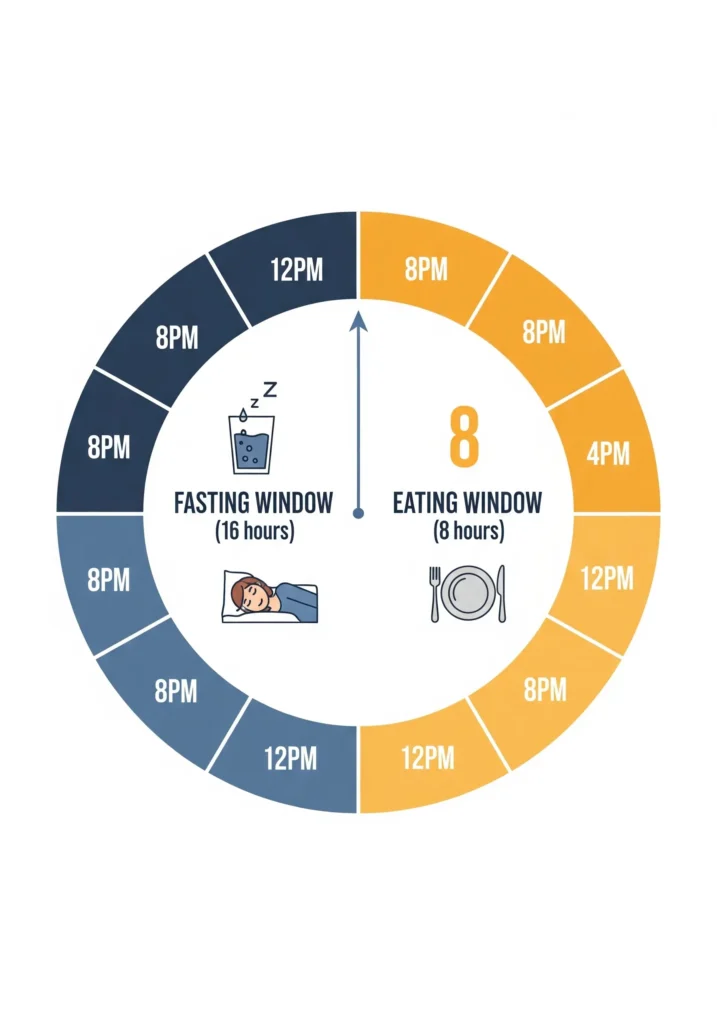
How Does 16:8 Intermittent Fasting Work?
When you fast, your body goes through several important metabolic changes:
- Lower insulin levels: After a few hours of fasting, insulin levels drop, allowing the body to burn stored fat more efficiently.
- Increased human growth hormone (HGH): HGH can increase significantly, supporting fat loss and muscle gain.
- Cellular repair (autophagy): During fasting, cells remove damaged components, improving overall health.
- Improved insulin sensitivity: Eating within a limited window helps regulate blood sugar levels.
By aligning eating and fasting with the body’s natural circadian rhythm, the 16:8 method makes it easier to maintain energy levels and avoid late-night snacking.
Health Benefits of 16:8 Intermittent Fasting
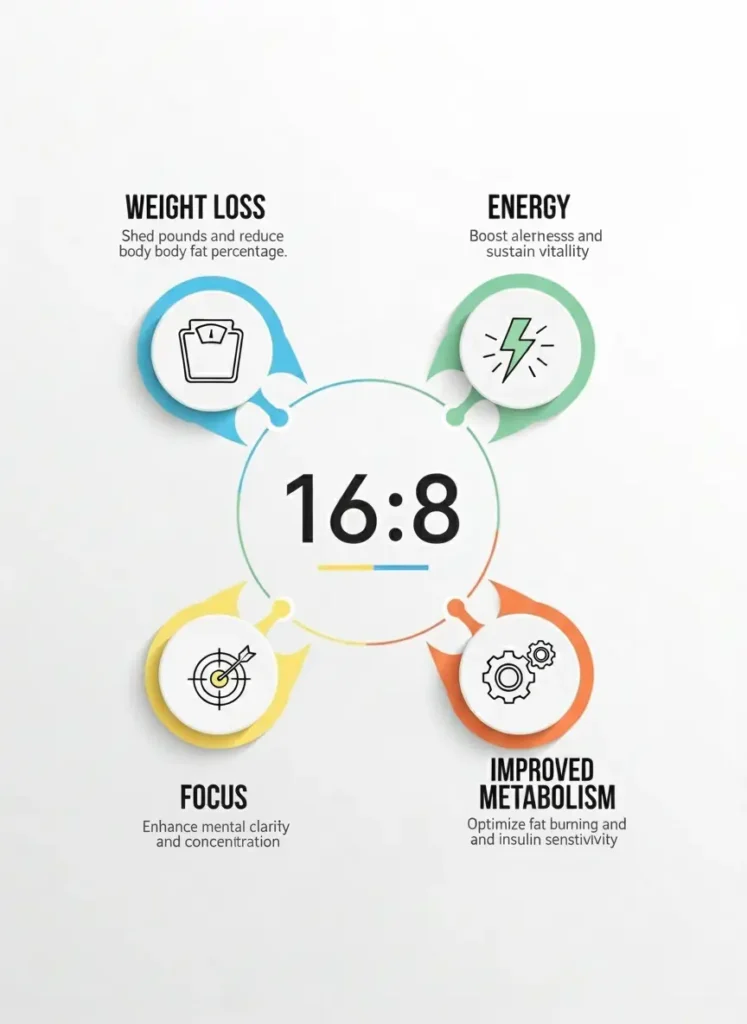
Research suggests that intermittent fasting offers numerous health benefits beyond weight loss. Some of the top benefits of the 16:8 fasting schedule include:
1. Weight Loss and Fat Burning
By reducing your eating window, you naturally consume fewer calories and encourage the body to burn stored fat for energy.
2. Improved Blood Sugar Control
Fasting can help stabilize blood sugar levels, making it especially beneficial for people with insulin resistance or type 2 diabetes.
3. Boosted Metabolism and Hormone Health
Intermittent fasting supports better hormone balance, including insulin, leptin, and growth hormone, which all play a role in metabolism.
4. Cellular Repair and Longevity
Autophagy (cellular cleaning) occurs during fasting, potentially protecting against aging and chronic diseases.
5. Improved Heart Health
Studies suggest fasting may reduce cholesterol levels, lower blood pressure, and decrease inflammation.
6. Mental Clarity and Focus
Many people report increased focus and energy during fasting periods, thanks to stable blood sugar and improved brain function.
Who Should Try 16:8 Intermittent Fasting?
The 16:8 method is one of the most flexible fasting schedules and works well for many people. However, it is not for everyone.
Best suited for:
- Adults looking for weight management.
- People who struggle with late-night eating.
- Those seeking improved focus and energy.
- Busy individuals who prefer fewer meals per day.

Not recommended for:
- Pregnant or breastfeeding women.
- Individuals with eating disorders.
- People with certain medical conditions (consult a doctor first).
How to Start 16:8 Intermittent Fasting
Starting intermittent fasting doesn’t have to be overwhelming. Here’s a step-by-step guide to ease into it:
- Choose your fasting window: Popular eating windows include 10:00 AM – 6:00 PM or 12:00 PM – 8:00 PM.
- Ease into fasting: Start with a 12-hour fast and gradually extend it to 16 hours.
- Stay hydrated: Drink water, black coffee, or herbal tea during fasting hours.
- Plan balanced meals: Focus on whole foods with protein, healthy fats, and fiber.
- Listen to your body: It’s normal to feel hungry at first, but hunger should decrease as your body adapts.
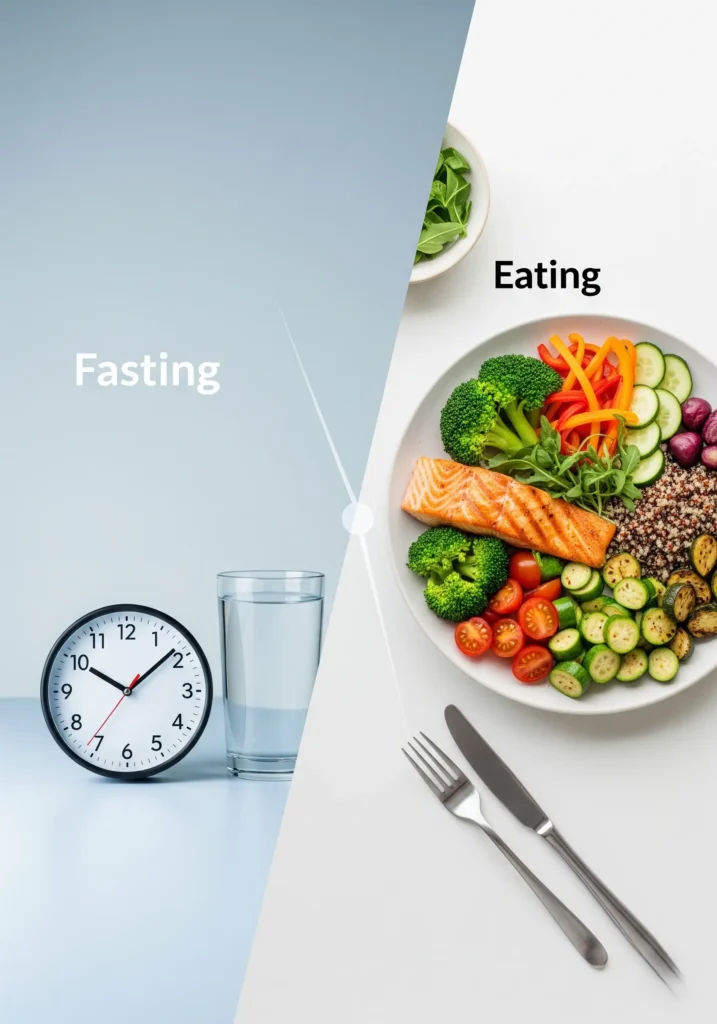
16:8 Intermittent Fasting Schedule
Here’s an example of how you might structure your day:
- 8:00 AM – 12:00 PM: Fasting (water, tea, or coffee allowed).
- 12:00 PM – First meal (Lunch): Protein + vegetables + whole grains.
- 3:30 PM – Snack: Fruit + nuts or yogurt.
- 7:30 PM – Dinner: Lean protein + healthy fats + vegetables.
- 8:00 PM – Begin fasting again.
This schedule can be adjusted to fit your lifestyle, whether you prefer skipping breakfast or dinner.

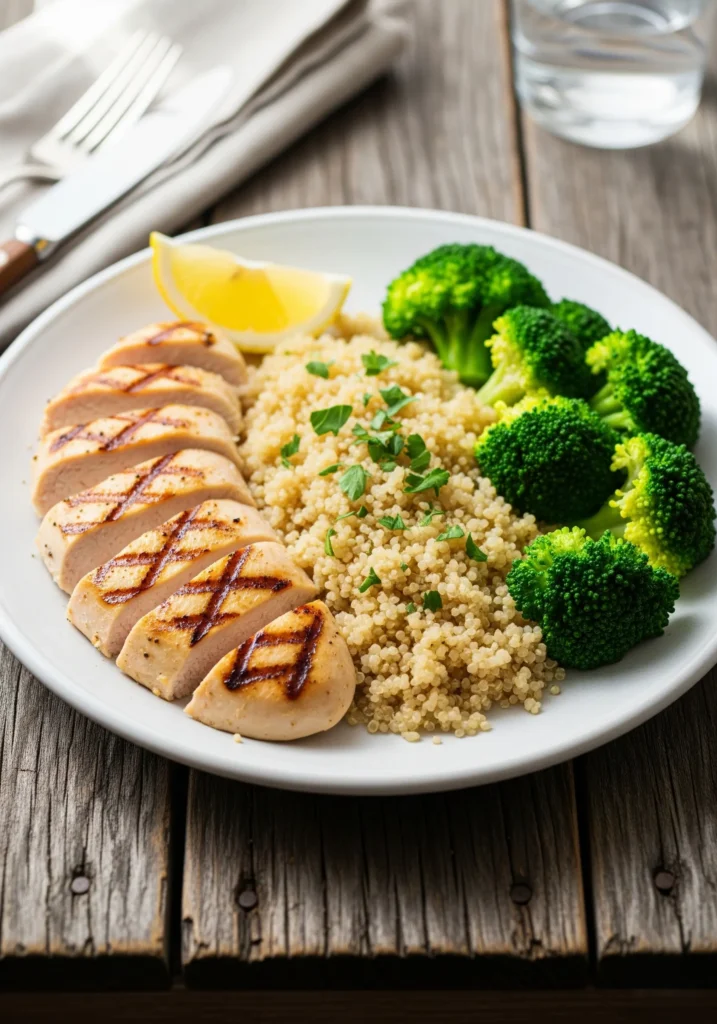
Foods to Eat on a 16:8 Fasting Plan
While intermittent fasting doesn’t dictate food choices, choosing nutrient-dense meals will maximize results.
Best foods to include:
- Proteins: Eggs, chicken, turkey, fish, tofu, legumes.
- Healthy fats: Avocado, olive oil, nuts, seeds.
- Whole grains: Brown rice, quinoa, oats.
- Vegetables & fruits: Leafy greens, berries, cruciferous veggies.
- Hydration: Herbal teas, infused water.
Foods to limit:
- Sugary snacks and processed foods.
- Refined carbs like white bread and pastries.
- Sugary drinks and alcohol.
Sample 7-Day 16:8 Intermittent Fasting Meal Plan
Here’s a beginner-friendly weekly meal plan to help you get started.
Day 1
- Lunch (12 PM): Grilled chicken with quinoa and broccoli.
- Snack (3:30 PM): Greek yogurt with berries.
- Dinner (7 PM): Salmon with roasted sweet potatoes and asparagus.

Day 2
- Lunch: Turkey and avocado wrap with whole-grain tortilla.
- Snack: Handful of almonds and an apple.
- Dinner: Stir-fried tofu with mixed vegetables.
Day 3
- Lunch: Grilled shrimp with brown rice and spinach.
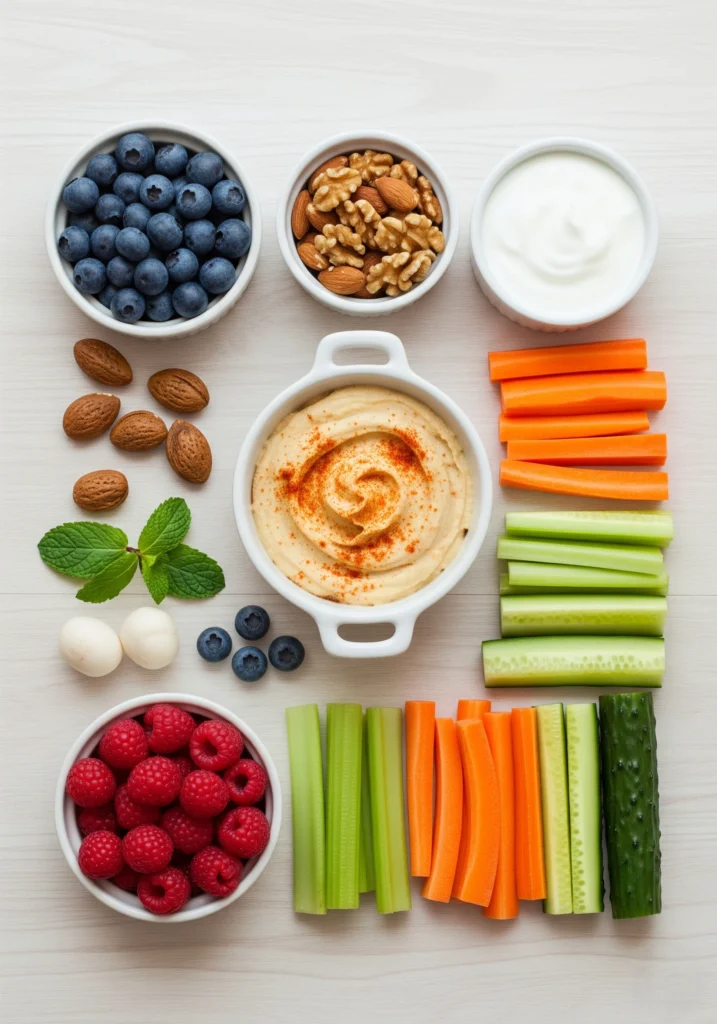
- Snack: Carrot sticks with hummus.
- Dinner: Lean beef with zucchini noodles.
Day 4
- Lunch: Lentil soup with whole-grain bread.
- Snack: Cottage cheese with pineapple.
- Dinner: Baked chicken thighs with roasted brussels sprouts.
Day 5
- Lunch: Tuna salad with olive oil dressing.
- Snack: Banana with peanut butter.
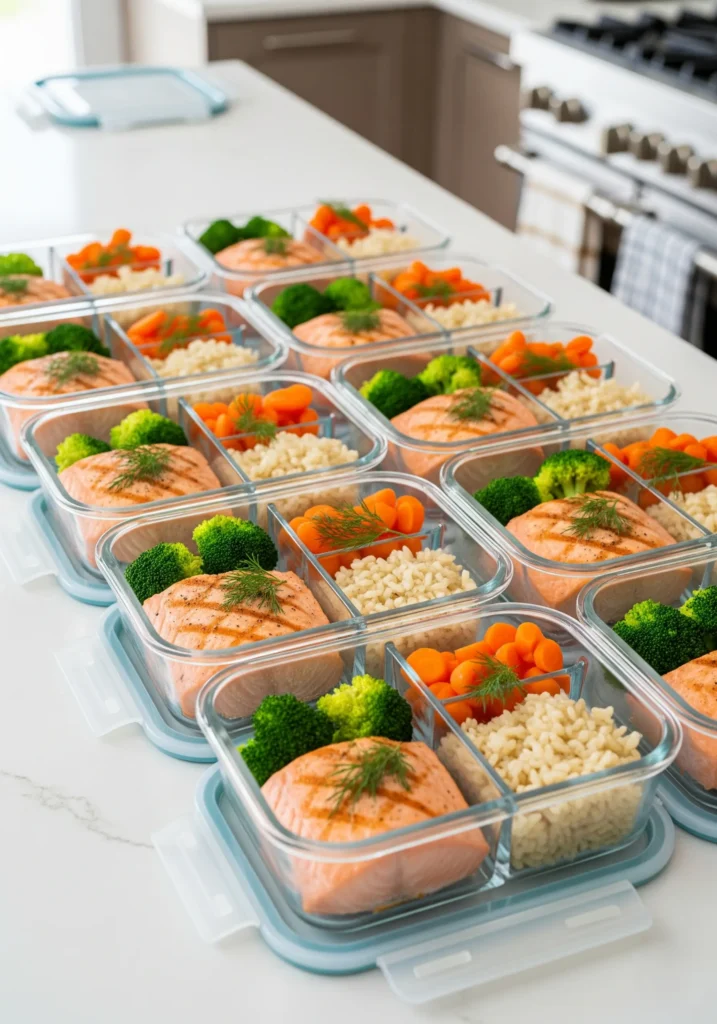
- Dinner: Grilled salmon with wild rice and kale.
Day 6
- Lunch: Chickpea and quinoa bowl with tahini dressing.
- Snack: Handful of walnuts and blueberries.
- Dinner: Turkey meatballs with zucchini pasta.
Day 7
- Lunch: Grilled chicken Caesar salad (light dressing).
- Snack: Boiled eggs with cucumber slices.
- Dinner: Baked cod with roasted carrots and cauliflower.
Tips for Success with 16:8 Intermittent Fasting
- Stay hydrated throughout the fasting window.
- Avoid overeating during the eating window.
- Be patient—results take time, usually 3–4 weeks to notice significant changes.
- Get enough sleep to support hormone regulation.
- Combine with exercise for best results in fat loss and muscle gain.

Common Mistakes to Avoid
- Breaking your fast with processed, high-sugar foods.
- Not eating enough nutrient-rich meals.
- Inconsistency with fasting windows.
- Overcompensating with too many calories during eating hours.
- Neglecting hydration.

Final Thoughts on 16:8 Intermittent Fasting
The 16:8 intermittent fasting schedule and meal plan offers a flexible, sustainable, and effective approach to weight management, improved energy, and overall health. By fasting for 16 hours and eating within an 8-hour window, you can naturally support fat burning, hormonal balance, and even mental clarity.
As with any lifestyle change, consistency is key. Pair intermittent fasting with nutrient-rich foods, exercise, and proper rest, and you’ll set yourself up for lasting health benefits.